Roof Repair · Parchman, MS
The inspection follows a fixed order of surface, edge, and interior checks. Notes are recorded on site rather than reconstructed afterward.
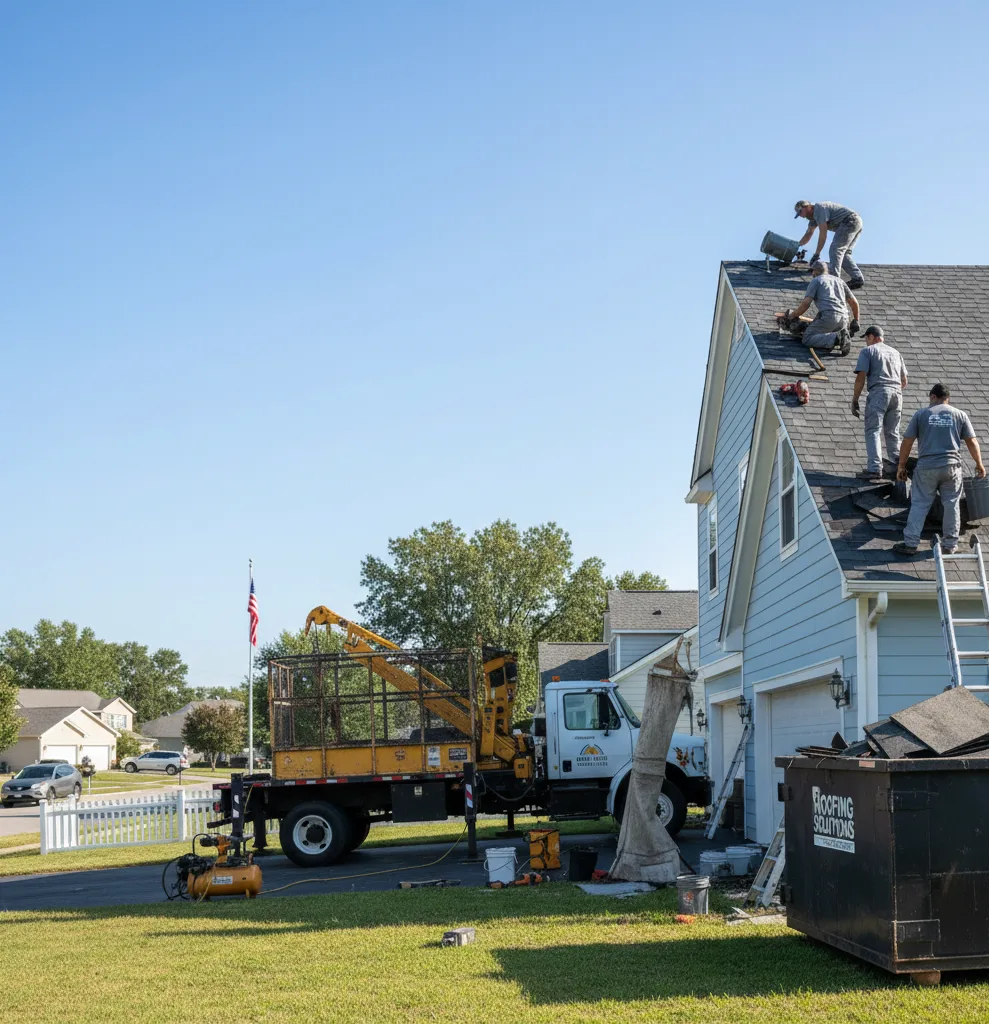
Roof inspections involve a systematic walk of the surface followed by an interior review when attic access exists. The process begins with an evaluation of shingle or material condition, looking for granule loss, curling edges, and cracked seals. Flashings around chimneys, vents, and valleys are tested for gaps or corrosion. Gutters and downspouts are checked for proper slope and debris buildup that could force water back under the roof deck. Attic checks focus on daylight penetration, insulation moisture, and rafter staining that may indicate past or active leaks. A common misunderstanding is that visible interior stains always point to current roof failure; often the staining comes from an earlier event resolved by previous repairs. Another frequent error is assuming a newer roof needs no examination because age alone determines risk. Installation quality and storm exposure can create problems regardless of the roof's calendar age. Homeowners can note soft spots on the deck or recurring attic odors as signals worth professional follow-up, but self-diagnosis of the full extent stays limited without the elevated vantage and specialized tools.
Many owners believe that absence of interior water marks means the roof is sound. Leaks can remain hidden above insulation or in areas with poor ventilation until damage has already spread. Others assume only storm events cause problems, overlooking gradual issues such as nail pop-ups or sealant shrinkage that develop over years of temperature cycling. A third misconception holds that all roof problems produce obvious granule accumulation in gutters; in fact, certain membrane or metal systems shed differently and require closer surface inspection. These distinctions matter because addressing only the visible symptom can leave the underlying cause untouched, which is why roof maintenance often catches issues early.
Roof inspections must account for the ground, weather, and other factors that shape how a roof ages and performs. The type of soil under a house decides how much its foundation moves over the years, and inspectors check for resulting shifts in the roofline.
Every home in Parchman rests on expansive clay that drains slowly. Parchman experiences hot summers and cool winters, heavy rainfall, and 45 nights below freezing. Weather patterns determine the stresses roofs endure throughout the year, so inspectors look for wear that matches those patterns.
Local conditions here often include expansive clay that shifts with the seasons, very hard water and a real freeze risk each winter. Inspectors also note how these elements interact with the overall structure to give homeowners a clear picture of needed repairs.
FAQ

Material compatibility, fastening patterns, and sealant choice all play a role in how the repaired area holds up over time. Matching the existing underlayment type and ensuring proper overlap at seams reduces the chance of new entry points forming nearby. Weather exposure after the work also influences longevity, particularly on slopes that receive direct sun or prevailing wind.
Small sealant touch-ups on accessible flashing are sometimes done by owners, but any work above single-story height introduces fall risks and potential warranty issues on the existing roof. Professional crews carry the proper safety equipment and know how to avoid disturbing sound sections while accessing the problem area. A quick assessment can clarify whether the situation requires immediate professional attention or can wait for scheduled maintenance.
A surface patch can stop immediate entry but does not always address the path water took to reach that point. An inspection often includes checking the decking beneath the shingles and the condition of nearby flashing. If the underlayment has deteriorated or the leak has traveled along rafters, additional sections may need attention to prevent recurrence in adjacent areas.
Roof Repair across Parchman, MS. Call (888) 206-5996.
Call (888) 206-5996